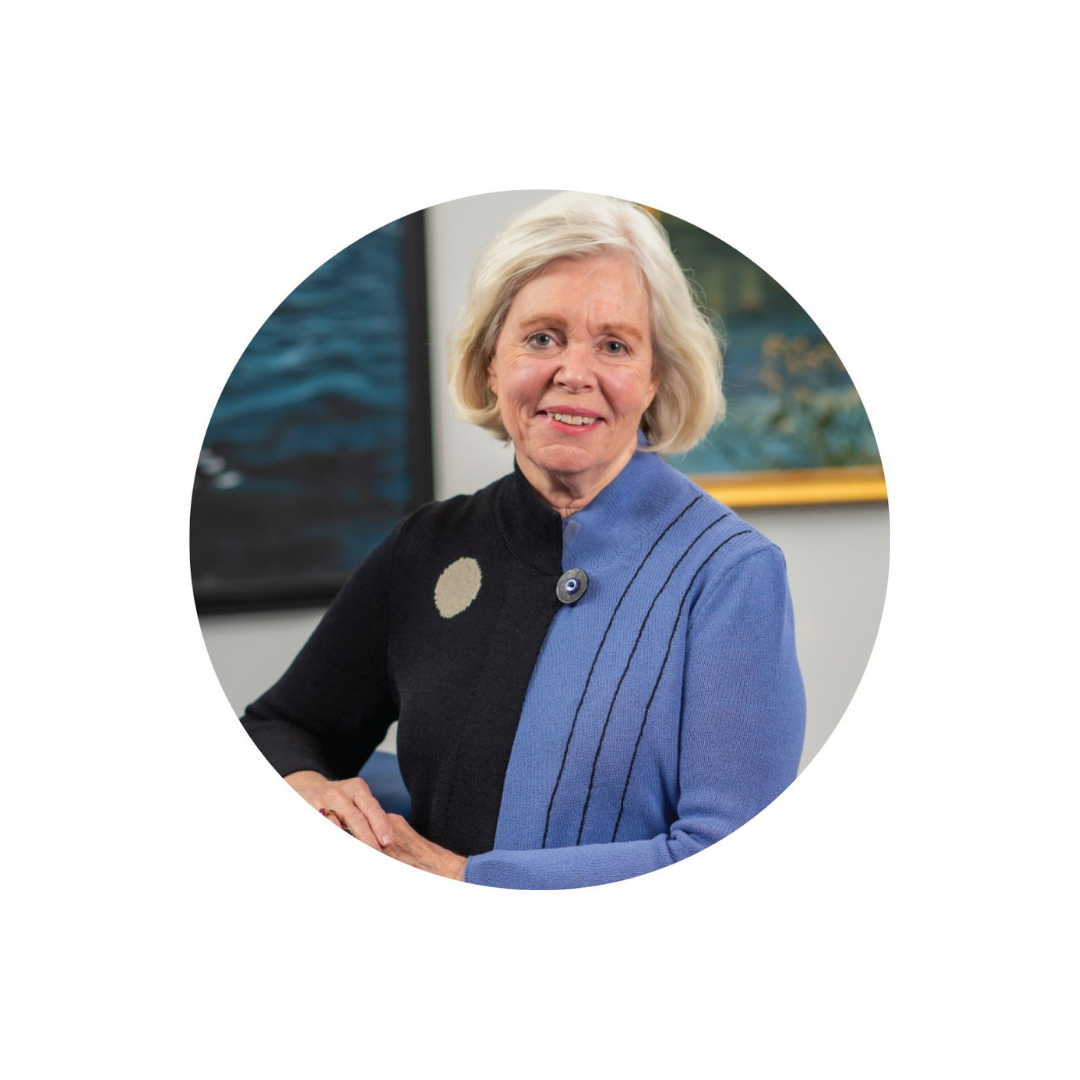

Wellness House of Annapolis spoke with Jacqueline Shanahan of Maryland Oncology Hematology – Annapolis about inclusion and cancer treatment for Pride month. In our recent interview, we asked, “What’s the most important thing for individuals identifying as LGBTQ+ to know about seeking medical care when experiencing a cancer diagnosis?”
Jackie explained that the answer can be complicated. She pointed out that while we have made some strides for the LGBTQ+ community, we still find that individuals that identify as LGBTQ+ sometimes find that there is discrimination and institutional bias when it comes to healthcare. As a result, these individuals might be diagnosed at a later stage of their cancer due to fear of engaging with the medical services that they require.
On a good note, Jackie shared that both Maryland Oncology Hematology (MOH) and Wellness House of Annapolis (“Wellness House”) are welcoming environments, and both focus on delivering support to patients that is warm and helpful. Regardless of the patient’s identity, MOH and Wellness House look at the whole person and continue support through treatment and into survivorship.
MOH focuses on educating patients about screening and other vital procedures as they travel on their journey managing their cancer diagnosis. MOH is striving to utilize sexual orientation and gender identity data – SOGI data – to provide high-quality, patient-centered care for all their patients. The SOGI data provides a better picture of the patient’s susceptibility to certain types of cancer, as well as effective and preferred treatment options. This data informs medical institutions about appropriate care for their patients, taking into consideration all the aspects of their identity.
The experienced team at MOH knows from first-hand experience that LGBTQ individuals are at higher risk for certain types of cancer. For example, Jackie shares, “Gay men are at a higher risk for anal and colon cancer. Screenings can certainly lead to being diagnosed at an earlier stage.” She goes on to advise, “The most important thing you can do is to talk to your physician openly and honestly. If there are any red flags at all, you should look for another provider. Your treatment relies on the relationship that you have with the physician.”
When asked about how we can improve outcomes for LGBTQ+ patients engaged in oncology treatment, Jackie says, “It’s really just education of both the general population and medical community when it comes to collecting this data. Things are getting better, but communication is key, it’s a two-way street with the patient and their physician.”
Jacqueline Shanahan is a Certified Oncology Nurse with Maryland Oncology Hematology. She spends every day, and many nights and weekends caring for her oncology patients. Her focus is on the patient and ensuring that they receive the care and attention that they deserve.